



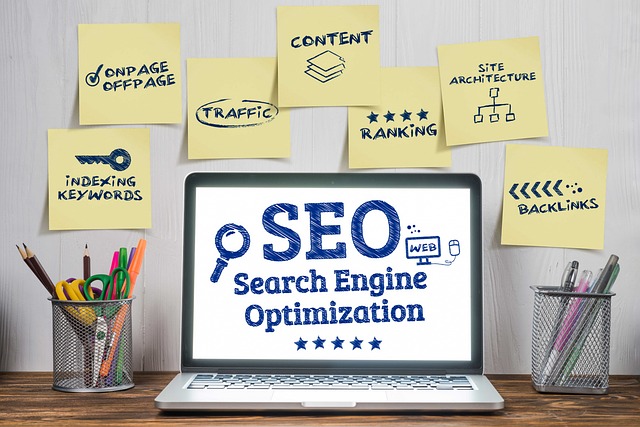

n the digital marketing arena, few debates are as persistent as the one between SEO (Search Engine Optimization) and SEM (Search Engine Marketing). Both are essential strategies to boost visibility in search engines, attract traffic, and grow your online presence. But when it comes to choosing one over the other—or understanding which is more powerful—it really depends on your goals, budget, and timeline.
Let’s dive deep into the pros and cons of both SEO and SEM and evaluate which strategy holds more power in today’s digital world.
Understanding the Basics
What is SEO?
SEO, or Search Engine Optimization, is the process of optimizing your website and content to rank organically (without paying) on search engine results pages (SERPs). It involves:
- On-page SEO: Optimizing content, keywords, headings, meta tags, images, etc.
- Off-page SEO: Earning backlinks, social sharing, and building authority.
- Technical SEO: Site speed, mobile-friendliness, secure connections (HTTPS), and structured data.
SEO is a long-term strategy. It takes time to build but can deliver sustainable results for months or even years.
What is SEM?
SEM, or Search Engine Marketing, refers to paid advertising efforts on search engines, especially through platforms like Google Ads or Bing Ads. It includes:
- PPC (Pay-Per-Click) ads
- Display ads
- Shopping ads
- Remarketing campaigns
With SEM, you pay for each click or impression. It’s a short-term strategy that offers quick visibility and results.
Pros and Cons of SEO
Pros:
- Cost-effective in the long run
Once your pages rank organically, you don’t pay per click, unlike SEM. - Sustainable traffic
A well-optimized site continues to bring traffic over time without recurring costs. - Trust and credibility
Users often trust organic results more than ads. - Higher CTR (Click-Through Rate)
Organic listings generally get more clicks than ads. - Better ROI over time
As your domain authority grows, SEO continues to provide exponential benefits.
Cons:
- Takes time
SEO is not an overnight success. It may take 3-6 months (or more) to see results. - Algorithm dependency
Google’s algorithm changes can impact rankings, sometimes unpredictably. - High competition
Ranking on the first page is tough, especially in saturated niches. - Requires ongoing effort
SEO isn’t a “set it and forget it” strategy. It needs regular updates and optimization.
Pros and Cons of SEM
Pros:
- Immediate results
You can start seeing traffic the same day your ad campaigns go live. - Laser-targeted audience
SEM allows targeting by location, language, device, time of day, search intent, etc. - Excellent for testing
Perfect for testing keywords, landing pages, and offers before investing in SEO. - Full control over budget
You set daily limits, pause campaigns, and control every penny spent. - Guaranteed visibility
You bypass the competition and appear at the top of search results.
Cons:
- Can be expensive
In competitive industries, CPC (cost-per-click) can skyrocket. - Temporary results
Once you stop paying, the traffic stops. - Ad fatigue
Users may ignore ads over time, leading to declining performance. - Lower trust
Many users scroll past ads, favoring organic listings.
When to Use SEO
SEO is ideal when:
- You want to build long-term authority and traffic.
- You’re working with a limited budget.
- You’re in a niche where content plays a key role (like blogs, e-commerce, SaaS).
- You’re not in a rush and can invest time and effort consistently.
- You want to establish your brand organically and generate inbound leads.
When to Use SEM
SEM is best when:
- You need quick visibility (product launch, seasonal offers, events).
- You have a healthy marketing budget.
- You’re targeting high-intent keywords for immediate conversions.
- You want to dominate above-the-fold search space.
- You need measurable, controlled results with clear KPIs.
The Combined Approach: SEO + SEM
While the debate of “SEO vs. SEM” often paints them as rivals, the reality is: they work best together.
Here’s how SEO and SEM complement each other:
- Keyword synergy: Use SEM to test which keywords convert well, then focus your SEO around those.
- Visibility domination: Appear in both paid and organic results for the same keyword.
- Data-driven decisions: SEM provides immediate data that helps guide SEO strategy.
- Short + Long-Term Strategy: SEM gives quick wins; SEO builds for the future.
Many successful digital marketing campaigns run SEO and SEM side by side. For instance, while your SEO efforts are still gaining traction, SEM can bridge the traffic gap.
Which is More Powerful?
If we define “powerful” as long-term impact, cost-efficiency, and sustainability, then SEO has the upper hand. It builds equity over time and positions your brand as a trustworthy authority in your niche.
However, if you need immediate traffic, sales, or visibility, then SEM is unmatched in speed and targeting capabilities.
So, the most powerful strategy isn’t SEO or SEM—it’s knowing when and how to use each effectively.
Conclusion
In conclusion, both SEO and SEM are vital tools in a digital marketer’s arsenal. Choosing between them—or using them together—depends on your goals, budget, and timeline.
- Want to build lasting organic traffic and credibility? Invest in SEO.
- Need fast leads and conversions? Start with SEM.
- Want the best of both worlds? Combine both for a robust, full-funnel approach.
Ultimately, the most powerful strategy is the one that aligns with your business objectives—and leverages the strengths of both SEO and SEM in harmony.
Leave a Reply